

How Virtual Power Plants (VPPs) Work: Signing Up and Deciding if You Should
What happened
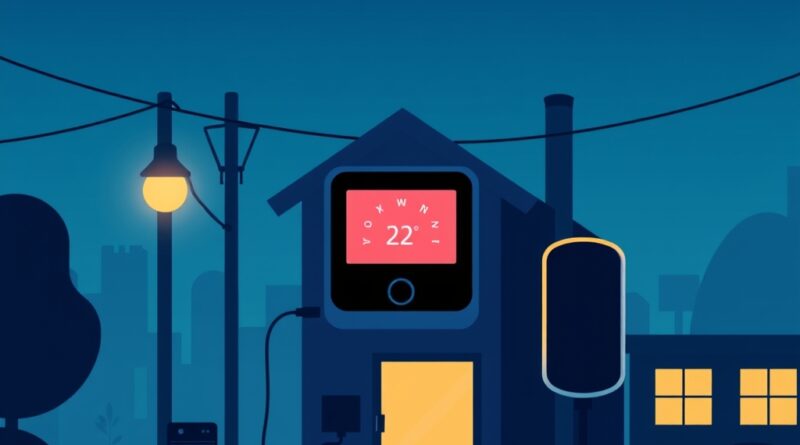
- A Virtual Power Plant (VPP) is a collection of household devices (like smart thermostats, home batteries, and EV chargers) that a utility can control to manage energy demand.
- Utilities command these devices to draw less electricity during peak hours, which helps manage grid load.
- In exchange for participation, utilities offer VPP members discounts on energy bills or signing bonuses. For example, smart thermostat programs might offer an initial bonus of roughly $50 to $150 plus annual savings.
- When scaled up across hundreds of thousands or millions of homes, this collective action has a profound impact on the grid, similar to firing up a power plant.
- As of 2023, there were over 500 VPP programs operating in the US, and an estimated 4 million households with smart thermostats were enrolled.
Why it matters for me
VPPs offer potential savings and ways to influence energy use. Home battery and EV programs could yield hundreds or thousands of dollars in annual savings. While some programs focus on simple rewards, battery-to-grid programs are growing and may offer even larger future savings. However, participation requires flexibility; households with caregiving responsibilities or night shifts might find it difficult to adjust usage during peak hours.
What to remember
- Check if your utility company has a VPP program and ensure they support your specific devices. Look for terms like “demand response” or “smart thermostat rewards.”
- Eligibility varies greatly based on device brands, utility territory, and rate plans. Programs are often established in areas with supportive policies, like California and Texas.
- Understand the data: Programs collect usage data. While this data is functional (focusing on asset physics), there is a risk that it could reveal private routines if not handled securely. You have the right to “opt out” of temporary changes.
Source: Original article
Source: www.technologyreview.com